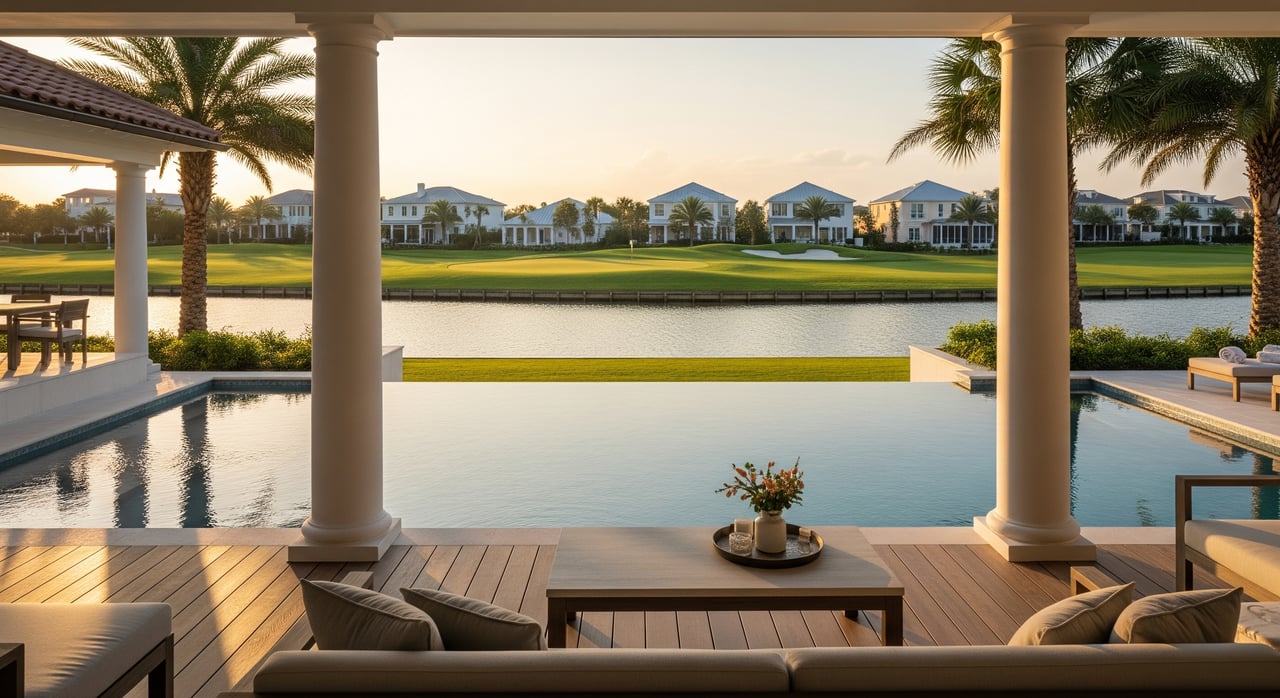
Torn between sunrise water views and fairway living in Celebration? You are not alone. Many move-up buyers in Osceola County weigh the calm of the lake against the energy of the clubhouse. In this guide, you will compare lifestyle fit, ongoing costs, HOA rules, and resale considerations for both options in Celebration, plus a quick checklist to make a confident choice. Let’s dive in.
Celebration living at a glance
Celebration is a master-planned community with a walkable downtown, mixed housing types, and well-kept common areas. You will find homes on lakes and ponds, along with properties that back to or sit near golf facilities and groomed green space. “Waterfront” can mean a small pond or a larger lake, with views and permitted access varying by parcel. “Golf-adjacent” can range from directly backing a fairway to being within an easy stroll of the clubhouse or practice areas.
Waterfront lifestyle benefits
Waterfront living centers on views, nature, and a sense of openness. You may enjoy passive recreation like paddleboarding or kayaking where permitted and a front-row seat to local wildlife. Many waterfront lots feel more private because there are fewer rear neighbors and wide sightlines. Walkability depends on the neighborhood, so check distances to downtown and daily conveniences.
Privacy and activity feel
Waterfront homes often have a tranquil vibe. That said, lakes with public paths or common greenways can draw more walkers and joggers. Plan a few visits at different times to see how the shoreline is used.
Outdoor living and entertaining
Patios, screened porches, and seating areas tend to face the water. Your gatherings may center on the view more than the clubhouse, which suits buyers who prefer relaxed, at-home entertaining.
Golf-adjacent lifestyle benefits
If you love an active social scene tied to the course, golf-adjacent homes deliver. You get immediate access to a manicured backdrop, and many buyers value the clubhouse dining and event calendar. The setting can feel peaceful between tee times, with long views across fairways.
Privacy and daily activity
The fairway side can be quiet, but you will also encounter regular maintenance like mowing and carts. Errant golf balls are a known risk along active play corridors. Evaluate how close the home is to tees, greens, and cart paths.
Social and amenity access
The golf club’s programs and facilities can add lifestyle value if you plan to use them often. Homes within a short walk of the clubhouse may appeal to buyers who want structured recreation and community events.
Costs, maintenance, and insurance
Ongoing costs differ between waterfront and golf-adjacent properties. Before you buy, factor in insurance, maintenance responsibilities, and any HOA or CDD obligations.
Waterfront-specific costs
- Flood risk and insurance: Waterfront homes are more likely to be in higher FEMA flood zones. Flood insurance may be required and can cost more than non-waterfront policies. Get address-specific quotes early.
- Shoreline infrastructure: Docks, seawalls, bulkheads, and retaining walls need inspection, maintenance, and eventual replacement. Confirm who owns and maintains these features and their current condition.
- Lake management and water quality: HOAs or CDDs may budget for algae control, aeration, mosquito control, and dredging. Review budgets, reserves, and any planned projects.
- Storm impacts and pests: Proximity to water can increase exposure to wind-driven debris and some wildlife. Plan for proactive pest control.
Golf-adjacent-specific costs
- Landscape interface: Frequent mowing and course landscaping can add noise. Maintenance easements may limit fences, tall trees, or backyard plantings, so review restrictions.
- Chemical drift: Courses use fertilizers and pesticides. If you have sensitivities, ask about maintenance practices and buffer zones.
- Errant golf balls: There is a risk of property damage or injury. Some owners use netting or tree buffers where allowed.
- Course continuity: If a course changes operations, it can affect nearby property appeal. Ask about long-term plans and financial health.
Community-wide items to verify
- HOA and CDD: Confirm fees and what they cover, such as lake management, clubhouse, landscaping, irrigation, and reserves.
- Special assessments: Check the past five years and ask about any planned capital projects like dredging or course renovations.
- Financial health: Review the HOA budget, reserve study, and recent board meeting minutes for upcoming expenses.
HOA and rules to know
Read the governing documents closely before you commit. Look for:
- CC&Rs and ARC guidelines: Note rules for docks, decks, screening, fences, and landscaping next to fairways or lakes.
- Permits and records: Confirm permits for docks or seawalls and who is responsible for repairs or replacements.
- Easements and buffers: Maintenance easements and no-build zones can affect privacy and how you can use your backyard.
- Rental policies: If future renting is a consideration, verify minimum lease terms, caps, or restrictions that may affect value and flexibility.
Value, view premiums, and resale
Both water and fairway views can command premiums compared to similar homes without those views. The size of the premium depends on view quality, scarcity, and market conditions.
- Waterfront premiums: Direct frontage and unobstructed views typically increase value. Resale can be influenced by flood risk perceptions, water quality issues, and insurance costs.
- Golf-adjacent premiums: Fairway views and close access to club amenities can boost value. The premium is sensitive to the course’s reputation and long-term stability.
- Buyer pool dynamics: Waterfront appeals to a broad set of buyers who prioritize views and passive recreation. Golf-adjacent appeals to golfers and those who want a club-centered social life.
- Walkability factor: In Celebration, proximity to downtown shops and restaurants is a consistent value driver. Homes that pair a strong view with walkability often show better resale profiles.
Long-term risk checks
- Environmental and regulatory shifts: Changes to FEMA flood maps, shoreline repair mandates, or recurring water-quality issues can affect waterfront values.
- Course health and ownership: Operational changes, closures, or redevelopment pressures can influence golf-adjacent desirability.
- View permanence: Water views tend to be more consistent, though water levels and shorelines can change. Fairway views depend on course maintenance and layout decisions.
Quick decision framework
Use these simple prompts to narrow your choice:
- If you want uninterrupted natural views, wildlife, and relaxed water time, lean waterfront. Verify flood zone, insurance quotes, and shoreline responsibilities.
- If you want active recreation, a social calendar, and manicured landscapes, lean golf-adjacent. Check course health, maintenance practices, and play-related risks.
- If walkability to downtown is a must, target homes that blend view plus short walking distance. Expect a premium, but resale often benefits.
- If you are risk-averse, put extra weight on HOA reserves, documented maintenance histories, and address-specific insurance quotes.
Due-diligence checklist
Work through this list before you decide:
Property and condition
- Confirm lot type and exposure using a survey and plat map.
- Inspect docks, seawalls, and retaining walls. Request any existing reports.
- Verify flood zone and any recent FEMA map changes. Ask for an elevation certificate if available.
- Review history of flooding, storm damage, and prior insurance claims.
- Request recent termite and pest reports. Ask about humidity or mold history.
HOA, community, and finances
- Read CC&Rs, ARC rules, bylaws, and recent board minutes.
- Review the HOA budget and reserve study. Ask about special assessments in the last five years and any planned projects.
- Confirm what HOA or CDD fees cover, including lake management, clubhouse, irrigation, and mosquito control.
Insurance and legal
- Obtain home and flood insurance quotes for the exact address.
- Verify maintenance easements, no-build buffers, and backyard structure limits.
- Confirm any conservation or environmental overlays on the lot.
Lifestyle and safety
- Visit at different times of day and on weekends to gauge noise and activity.
- For golf-adjacent: check stray golf ball exposure and proximity to tees, greens, and cart paths.
- For waterfront: observe shoreline condition, water clarity, and use patterns by neighbors.
Market and resale
- Request comps for waterfront versus non-waterfront and golf-adjacent versus similar inland homes in Celebration.
- Discuss buyer demand and time on market for each property type.
- Verify rental restrictions if you may rent in the future.
Questions for sellers or HOA
- Who maintains and pays for docks or shoreline structures, and what projects are scheduled?
- Are there any pending permits or enforcement actions?
- Does the course have ownership changes or capital projects planned?
- Have there been recent lake advisories, dredging, or mosquito control programs?
How Sean helps you choose wisely
With 25-plus years of Central Florida experience, Sean brings local insight and a calm, data-driven approach to your decision. You will get property-specific comps, guidance on HOA and ARC rules, and coordination with trusted insurance pros for quotes before you commit. If you want a clear side-by-side view of your top options, Sean will help you weigh lifestyle fit, cost of ownership, and resale outlook so you can buy with confidence.
Ready to compare real homes in Celebration that match your priorities? Connect with Sean Ferguson to start your short list.
FAQs
What counts as “waterfront” in Celebration?
- In Celebration, waterfront typically means homes on lakes, ponds, or community-managed water features. Access and permitted uses vary by parcel and governing rules.
Do waterfront homes require flood insurance?
- They are more likely to be in higher FEMA flood zones, and lenders may require flood insurance. Always get address-specific quotes and verify the current flood map.
What risks should I consider for golf-adjacent homes?
- Plan for maintenance activity, potential chemical drift from course care, and the possibility of stray golf balls. Review easements and any limits on fences or plantings.
How do HOA rules affect backyards near lakes or fairways?
- CC&Rs and ARC guidelines may limit docks, screening, fences, or tall landscaping. Easements and buffer zones can affect privacy and how you use the space.
How does walkability to downtown impact value?
- Proximity to Celebration’s downtown is a steady value driver. Homes that combine a desirable view with short walking distance can show stronger resale profiles.
Could course changes affect my home’s value?
- Yes. If a course changes operations or ownership, nearby property appeal can shift. Ask about long-term plans and any capital projects before you buy.
