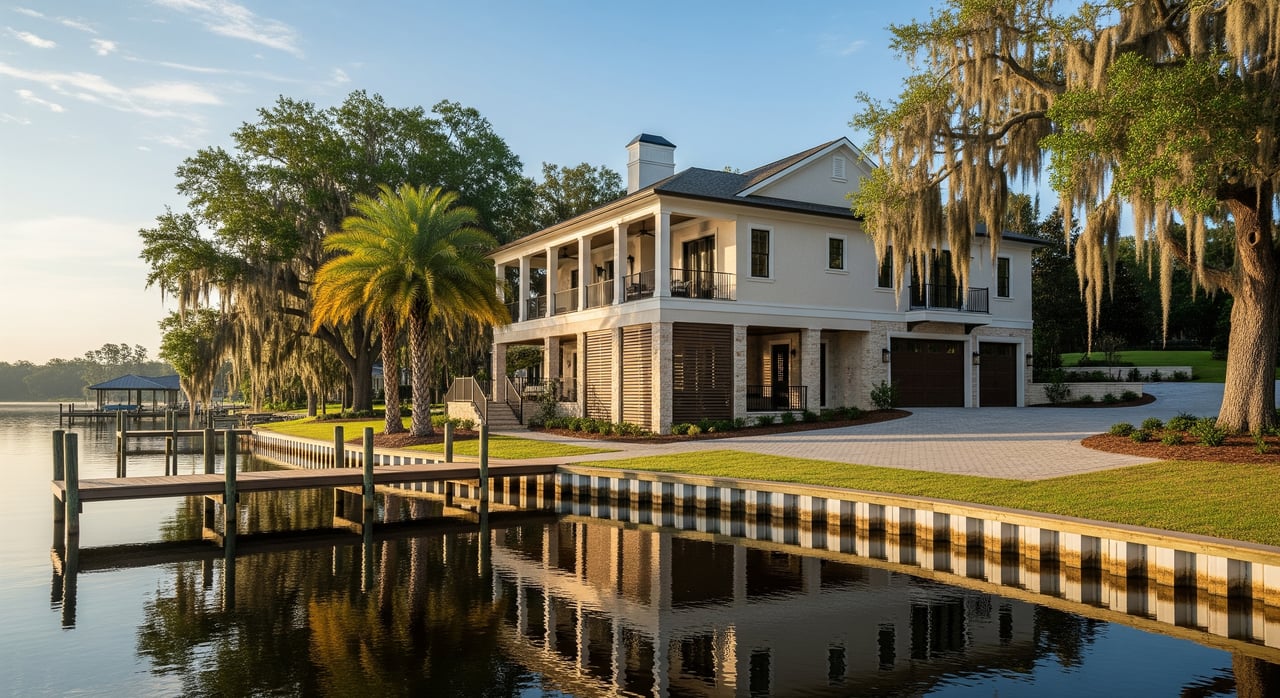
Living near Lake Monroe is part of Sanford’s charm, but it also means paying attention to flood risk. Recent storms have shown how lake and river levels can rise and linger, impacting lakeside roads, parks, and properties. If you are buying or selling here, understanding flood insurance can save you stress, time, and money. In this guide, you’ll learn how coverage works, what new disclosures require, and the steps that make closings smoother. Let’s dive in.
Why Lake Monroe shapes flood risk
Sanford sits on the south shore of Lake Monroe within the St. Johns River system. Flooding can come from rising lake and river levels, intense local rainfall, and storm-driven water that pushes upstream. The City outlines these local drivers and building standards on its floodplain management page.
Recent events underscore the risk. For example, the St. Johns River and Lake Monroe produced major flooding in 2017, with road closures in Sanford and nearby corridors, as reported by News4Jax.
Flood maps and local rules
FEMA Flood Insurance Rate Maps (FIRMs) guide permitting and when a lender may require flood insurance. Seminole County and the City of Sanford can provide property-specific flood zone determinations and maintain local programs to reduce risk. You can find map and determination info on the county’s flood-prone areas page.
Flood insurance options
Flood insurance is available through the National Flood Insurance Program (NFIP) and private insurers. Sanford participates in the NFIP, and Florida encourages a growing private flood market. Comparing both can help you match coverage and price to your needs.
NFIP coverage and limits
For most one- to four-family homes, the NFIP maximum is up to 250,000 dollars for building coverage and up to 100,000 dollars for contents. These are statutory limits and may not fully replace higher-value homes. See the federal summary on NFIP coverage limits for details.
How premiums are set today
FEMA’s Risk Rating 2.0 uses property-specific factors instead of only flood zones. Elevation, distance to water, foundation type, flood frequency and type, and replacement cost all influence pricing. Learn more about these variables in the Risk Rating 2.0 overview.
Timing and the 30-day rule
NFIP policies typically take 30 days to go into effect. There is usually no waiting period when flood insurance is required for a mortgage at closing, but you should confirm in writing with your lender and insurer. Review the NFIP’s waiting period basics.
Local discounts through CRS
Communities that invest in flood mitigation can earn NFIP premium discounts for their residents through the Community Rating System (CRS). Recent reporting shows Seminole County at Class 6, about a 20 percent discount, and the City of Sanford at Class 7, about a 15 percent discount, for eligible NFIP policies. See the local context in this Central Florida CRS update.
Buyer checklist for Sanford homes
Use this simple path during your due diligence:
- Check your flood zone. Start with FEMA FIRMs and consider a formal flood zone determination from Seminole County if needed. The county’s flood-prone areas page explains how to request one.
- Verify disclosures and history. Florida now requires a written “FLOOD DISCLOSURE” at or before contract execution. Ask for the disclosure, plus any flood insurance declarations and claim dates. See an overview of the new law (HB 1049) in this statewide update.
- Gather elevation data. Request any existing Elevation Certificate from the seller or permit records. This helps with insurance quotes and any future map amendments.
- Compare NFIP and private quotes. Evaluate limits, deductibles, waiting rules, and available credits in writing. Confirm binding and closing timelines in advance.
Seller checklist before you list
Set buyers at ease and speed underwriting with a clear package:
- Complete Florida’s required “FLOOD DISCLOSURE” (HB 1049) accurately and deliver it at or before contract execution. Keep records for any past flood claims or federal assistance. See the legislative summary in this update.
- Provide relevant documents. Collect any Elevation Certificates, permits, and mitigation or repair records so buyers can secure quotes quickly.
- Share known flood history. Disclosing known issues upfront reduces surprises and keeps deals on track.
Reduce risk and possibly premiums
Target practical improvements that limit damage and often help with insurance:
- Elevate the lowest floor where feasible, or at least elevate utilities and major equipment above likely flood levels. FEMA highlights these mitigation measures in its hurricane readiness guidance.
- Install compliant flood vents in enclosed areas such as crawlspaces or garages to reduce pressure during floods and meet NFIP foundation standards. See a municipal overview of vents and protection methods here.
- Use flood-resistant materials on lower levels and consider wet or dry floodproofing where appropriate, especially for nonresidential spaces. FEMA provides a floodproofing overview.
Lender requirements, map changes, and closings
If your structure shows in a Special Flood Hazard Area and the lowest adjacent grade or finished floor is at or above the Base Flood Elevation, you may request a FEMA Letter of Map Amendment or Revision. A successful LOMA or LOMR can remove the federal mandatory-purchase requirement, though a lender can still require insurance. Review FEMA’s LOMA/LOMR tutorial and plan for survey and processing time. For closings, remember that policies required by a lender at loan closing generally avoid the 30-day wait, but always confirm timing with your insurer and lender.
Local resources
- City of Sanford Floodplain Management and building standards: City program and ordinance
- Seminole County flood maps and zone determinations: County flood-prone areas
- FEMA flood maps and studies: Flood Map Service Center
- Florida Office of Insurance Regulation: Private flood insurance resources
Buying or selling near Lake Monroe comes with extra questions, but you do not have to navigate them alone. If you want a clear plan for disclosures, insurance timing, and due diligence, connect with Sean Ferguson for local, step-by-step guidance.
FAQs
How does Risk Rating 2.0 affect my Sanford premium?
- It uses property-specific factors like elevation, distance to water, and replacement cost, which can raise or lower premiums compared to old zone-based tables.
What does Florida’s new flood disclosure law require from sellers?
- For contracts on or after Oct. 1, 2024, sellers must provide a written flood disclosure that addresses claims history and federal assistance, plus a notice that standard homeowners insurance does not cover flood damage.
Do I have to wait 30 days for flood insurance to start?
- Usually yes, but policies required for a mortgage at closing typically have no waiting period; confirm details with your lender and insurer.
Can a LOMA remove my lender’s flood insurance requirement?
- A LOMA can remove the federal mandatory-purchase rule if elevations qualify, but individual lenders can still require coverage at their discretion.
